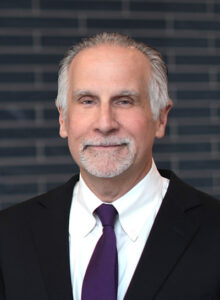
 In 2021, Dave Hermenze and his partners, Ed Marcantonio and Jim Funnell, joined Brody Wilkinson through a strategic merger with their former Westport-based law firm, Hermenze & Marcantonio. In 2026, Dave was honored by Best Lawyers® as Lawyer of the Year in his field of Trusts & Estates within the Stamford metropolitan region. Given the significance of this recognition, which he also received in 2022 and 2024, we asked Dave to reflect on his 40-year career and share some of the insights he brings to his practice today.
Q: What does being named Lawyer of the Year in Trusts & Estates mean to you?
A: I’m especially proud of this achievement because it’s ultimately awarded by my peers. This practice area is a cozy corner of the law, which I would enthusiastically recommend to any young lawyer. We’re a close-knit, collegial group not only in Connecticut but across the nation. We fancy ourselves as the intellectuals of the law, valuing collaboration and learning over conflict and discord. While I don’t think I can hope to win the ongoing LOTY competition with my partner, Peter Mott, who has received this distinction more times than I have, I’ll strive once again to live up to this much-appreciated honor.
Q: How did you come to focus your career on Trusts & Estates Law?
A: I wanted to be a lawyer from a very young age. I loved history and reading biographies, and it seemed to me that most of the great Americans had been military heroes, inventors or lawyers. I knew my chances of triumphing in battle or inventing the next lightbulb were slim. But given my strengths in reading, writing and analysis, I believed I could become a capable — perhaps even a good — lawyer. Tax classes were my favorites at Cornell — individual income tax, corporate tax, partnership tax, estate tax, fiduciary income tax and international tax — so I planned to focus on corporate tax law at a large firm in Stamford after I graduated. When I was exposed to that firm’s estate planning practice, which was highly tax-planning driven (the estate tax exemption was $600,000 per person back then, compared to $15 million today), I found that I enjoyed working with individuals and families more than working for corporations. That realization changed everything.
Q: What are the biggest misconceptions clients have about estate planning?
A: I think people often assume estate planning is either something only the very wealthy need or something that can wait. Neither is true. Another common misconception is that the process is overwhelmingly technical. My job is to make it understandable — to translate the legal and tax components into clear, practical choices for all my clients, regardless of the size of their estates.
Q: What concerns are clients raising most often about estate planning today?
A: I find that the greatest concern expressed by most clients is ensuring that the inheritance they pass to their children is as well protected as possible from third parties, including the government through the probate process and taxes, creditors through lawsuits, as well as divorcing spouses. This concern applies whether the beneficiaries are minor children, young adults or individuals in their 50s and 60s. It doesn’t reflect a lack of trust in their judgment or prudence. Rather, clients want to provide their beneficiaries with a structure that protects them, not one that controls them.
Q: How do you guide clients who are reluctant to begin the estate planning process?
A: I explain that estate planning is an act of care for themselves and the people they love. It doesn’t have to be overwhelming and they don’t need to have all the answers when they walk in the door. A good plan provides clarity, comfort and a sense of control. Starting the process is almost always the hardest part. Once we begin, clients are often surprised by how straightforward — and even empowering — it feels.
Q: How do complex families or business interests shape your approach to estate planning?
A: I start by listening. Every family has its own history, dynamics and concerns — and businesses are no different. Before we talk about documents or structures, I want to understand what matters most to the people involved. From there, we build a plan designed to protect relationships as much as assets and to minimize the risk of future conflict. That involves drafting clear, plainspoken documents, helping clients make thoughtful fiduciary choices and building in flexibility so the plan can adapt as circumstances change.
Q: How have the past five years unfolded for you and your original partners since the merger?
A: When we moved the entire firm — ourselves, our staff, our computers, desks, even the paperclips — to Southport, our only hesitation was leaving behind our Westport address, which was important to us, even though our clients spanned the region from New York City to upper Fairfield County. Five years later, I’m pleased to share that our clients haven’t held the change against us, and with the added strength of Brody Wilkinson’s 25-lawyer team, we’re now better positioned than ever to serve them.
Q: What do you appreciate most about practicing law at Brody Wilkinson?
A: Having a solid team behind me has made all the difference. Our Trusts & Estates Group includes one senior associate and three associates with strong technical skills and a confident client presence. This depth allows me to assign a backup attorney to every matter, ensuring that another attorney at the firm is closely familiar with each client’s circumstances. If I’m fortunate to enjoy continued good health, I plan to practice for at least another 10 years, reaching the 50-year milestone that several Brody Wilkinson attorneys have already surpassed. Looking further ahead, the same depth of our team gives me tremendous comfort knowing that I’ll be able to transition my client relationships — many now spanning two generations — in a thoughtful, orderly way that best serves those families.